
How Often Should You Practice Drums?
One of the most common questions beginner drummers ask is, "How often should I practice drums?" . The short answer is simple: practice little and often. The longer (and more honest) answer is that consistency will always beat long, irregular practice sessions. As a drum teacher in Brighton, I see many beginners struggle not because they lack of talent, but because they don't know hoe to practice properly or how often they should sit at the kit. The good news that this is absolutely normal and fixable. This article will help you to build a realistic drum practice routine that fits into everyday life.
Before we dive into practice tips, let's take a quick look what science says about how we learn. Once you understand how learning actually works, practicing drums start to make a lot of sense.
What Does Science Says About Practice?
Science is very clear on this: short, regular practice session lead to better learning than long irregular one. Studies on skill development shows that the brain learns best through repetition overtime, not by doing everything in one day. Each time you practice you practice, your brain strengthens neural pathways with your body, building coordination and muscles memory.
For drummers, this is essential. You're limbs aren't suddenly getting stronger, your brain is literally learning how to the more efficiently together. Short, frequent practice sessions reinforce the neural pathways between your brain and your body.
Now let's come back to the central question of the topic!

How Often You Should Practice Drums?
For beginners, the ideal starting point is 20-30 minutes a day, 4-6 days a week. It might not sound like much, but this amount of regular practice is more than enough to create steady improvement. Consistent, focused practice build better habits, stronger coordination, and more confidence than occasional long session ever could. Just like going to the gym, you don't build strength training for hours once a week, you build it by showing up regularly and working on the same movement over time. Also a healthy diet would be helpful! That's why sticking with the same exercises for a few weeks is ideal, as it allow your body to full absorb the movements.
Consistency Beats Motivation
One of the most important principles behind drum practice is that consistency matters more than motivation. A powerful quote from one of my favorite book Atomic Habits by James Claire fit perfectly:
"Habits are the compound interest of sef-improvement."
Small actions, repeat daily, add up to big results over time, and drumming is no different. You don't need to feel inspired motivated everyday, and you don't need long, exhausting practice session either. What really need is a simple, repeatable system you can stick to, even on busy or low energy days.
This is something that I focus heavily on my drum lessons in Brighton, helping students build practice habits that fit around school, work, and real life. Once practice becomes a routine instead of a struggle for motivation, progress comes more naturally, and practice become much more enjoyable.

What a 30 Minutes Practice for Beginners Should look like?
If you're practicing 30 minutes, here is a simple structure that you can use:
Warm Up - 5 minutes
Single strokes
Double strokes
Paradiddles
Any rudiments you already know
Play them slowly and evenly, and focus on control rather then speed.
Coordination and timing - 10 minutes
Drum beats
Drum fills
Play along with a metronome
Start slow and aim for consistency and good timing
Play & Apply - 15 minutes
Play along to your favorite songs
Improvise using the beats and fills you've practice
This is the fun part, and the most important. This helps turn exercises into real music and keeps practice enjoyable.
To stay focus and make most of your practice time, set up a timer of each section of your routine. This helps you to build discipline and stop you from rushing through exercises or spending too long on one thing. Turning your phone off (or putting in another room) can make a huge difference, fewer distraction means better results. If possible, write down what you're going to practice before you start, so every minute has a purpose and you finish you session feeling focused and accomplished.
How Many Days a Week Should I practice?
For beginners, practicing 4-6 days a week works really well. This keeps your drumming consistent without feeling overwhelming or exhausting, and rest days are just as important as practice days. You don't need to practice every single day to make progress, what matter is regular, focused sessions that fit into your routine. If you don't have a drum kit at home, no problem at all! You can still make great progress by reading "How to Practice Drums at Home Without a Drum Kit - Brighton Drum Hut Tips", or if you live locally, check out "Where to Practice Drums in Brighton and Hove - A Local Drummer's Guide".
How to Build a Better Drum Practice Habit: Books that Helped Me.
Over the years, a few books really changed the way I thinks about practice, not just on the drums, but with any skills I want to improve. They helped me move away from relying on motivation and instead build a simple, repeatable practice system that actually fits into everyday life. These are the same books I often recommend to my students because they've genuinely helped me shape my own routine.

Atomic Habits by James Clear
This book completely changed the way I approach learning. It showed me that small, consistent actions add far more than occasional intense effort. Putting this into practice with drumming helped me finally stick to short, regular sessions instead of waiting for motivation to strike, and I've noticed the same principle improving others area of my life, form fitness to work habits. It made me realize that real progress comes from building systems, not relying on willpower alone.

Effective Practice for Musicians by Benny Greb
He's definitely one of my favorite drummers. I've attended a couple of his masterclasses in the past, and they were absolutely amazing experiences. Check him out if you haven't heard of him!
Benny Greb's booked help me understand how to practice, not just what to practice. It showed the value of focusing on specific goals, braking exercises into manageable steps, and being intentional with every minute at the kit. Using his methods made me practice sessions more efficient, and I noticed I was improving faster without feeling stressed or overwhelming.
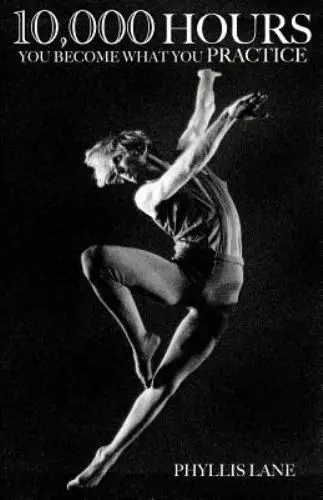
10.000 Hours - You Become What You Practice by Phyllis Lane
This book reinforced the idea the mastery comes consistent, long-term effort rather then shortcuts. It helped me see that every focused session, even just a 10 minutes a day, contribute to real progress all the time. Combined with 1% improvement mindset, it taught me to be patience and persistent, and reminded me that small daily wins compound into major result in the long run.
Together, these books helped me build a practice routine that is realistic, sustainable, and enjoyable.
They've shaped the way I teach to my students in Brighton and Hove, helping them creating systems they can stick to instead of chasing motivation. If you're serious about improving your drumming, other aspect of your life, these books are excellent place to start from.
Conclusion
Building a solid drum practice routine doesn't have to be complicated. Start small, practice consistently, and focus on quality over quantity. Use a simple system, track your time, and make practice a regular habit, even just 20-30 minutes a day can make a huge difference in long-term.
If you want to take your drumming even further, consider booking drum lesson in Brighton. Working with a drum teacher in Brighton, will give you personalized guidance, help you to build a structured practice routine, and keep you motivated.


Comments